Cremona, City of Violins
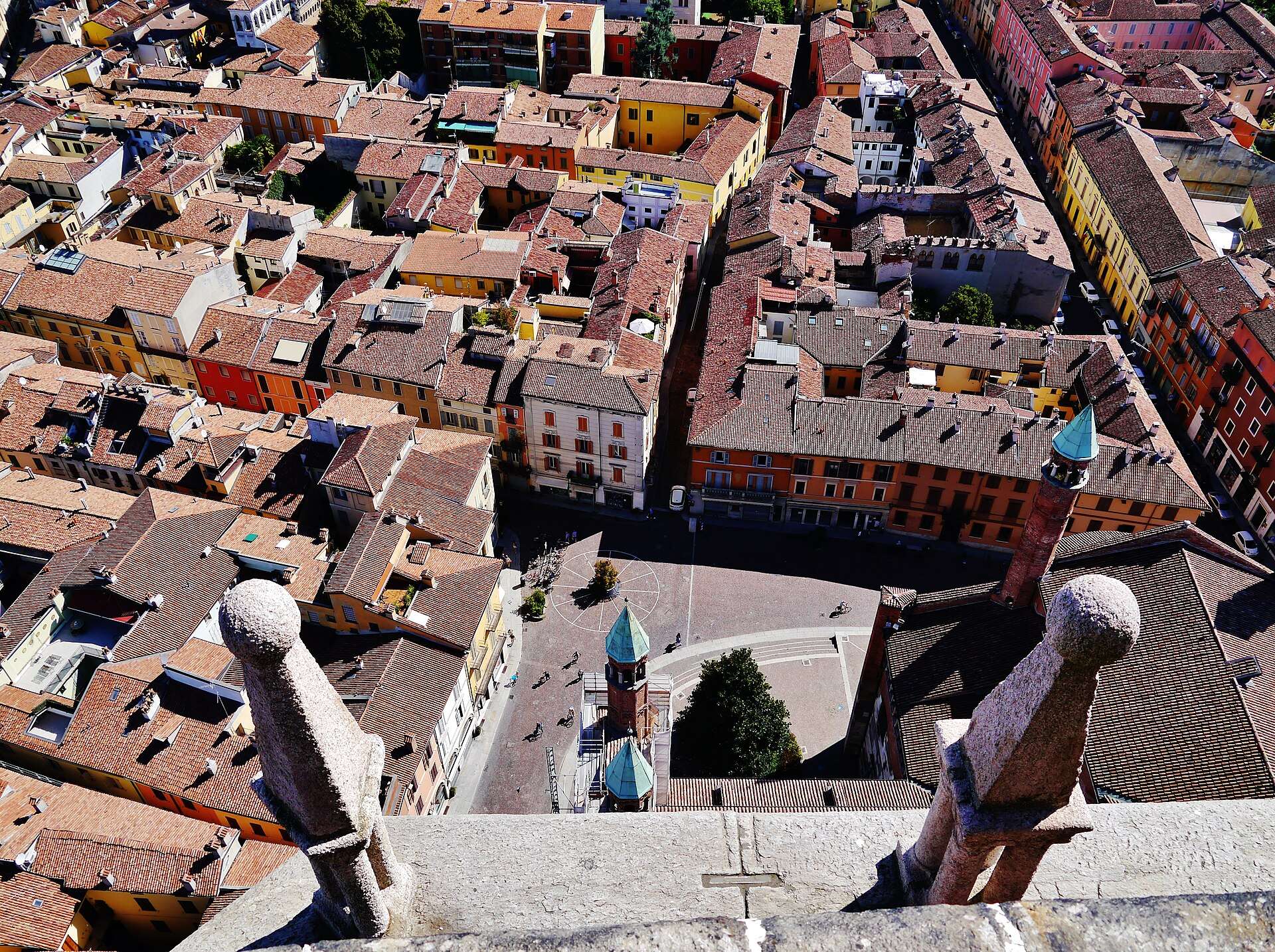
An hour south, the city where the violin became the violin — Stradivari’s treasures kept and played in daily auditions, a hundred-plus luthier workshops still at the bench, and a brick tower with a standing claim.
The short version
- Trains run Milan to Cremona in about an hour at modest fares (trenitalia.com), with the center a ten-minute walk from the station and the booking order per the alarm fixed: audition calendar first, timetable second.
- The Museo del Violino is the treasury: Stradivari, Amati, and Guarneri instruments in the vaulted galleries — the families who invented and perfected the form here across three centuries — with the workshop relics and moulds from Stradivari’s own bench (museodelviolino.org).
- The auditions per the alarm are the museum’s genius: short recitals in the auditorium play the collection’s actual instruments most days — a Stradivarius heard live in a hall built for it, tickets small and taken with the museum’s calendar as the trip’s anchor.
- The living craft is the second credential: more than a hundred luthier workshops operate in the center — the highest concentration on earth — with traditional Cremonese violin-making inscribed on UNESCO’s intangible heritage list in 2012, and the look-in-if-open custom per the alarm genuinely welcomed.
- The Torrazzo carries the skyline: the medieval brick campanile — by its standing claim per the alarm the world’s tallest brick bell tower at around 112 meters — climbed past its astronomical clock (among the world’s largest) to the plain-wide view.
- The sweet register per the alarm: torrone was born here (the 1441 Sforza wedding is the origin story the town maintains), sold at historic houses alongside mostarda di Cremona — candied fruit in mustard syrup, the province’s proud ambush — with the cathedral and baptistery completing the piazza’s Romanesque set.
Getting there
The audition-first rule per the alarm shapes everything: recital times vary by day and season, tickets pair with museum entry, and the train that serves your slot is the right train. The town then walks itself — station, museum, piazza, and workshops inside a fifteen-minute radius. Workshop visiting runs on artisan courtesy: open doors welcome a look, work in progress outranks conversation, and purchases start in five figures, which nobody expects of you.
The day
The museum takes the morning: the treasures in their dim vaults — the 1715 ‘Il Cremonese’ Stradivari the collection’s crown — the moulds and tools from the master’s own shop, and the making-process galleries that turn varnish into drama. The audition lands per your booked slot: one instrument, one musician, twenty-odd minutes of sound the room was engineered for — the difference between seeing a Stradivarius and hearing one being the trip’s whole justification per the alarm. The piazza handles the afternoon: the cathedral’s Romanesque facade and fresco interior, the baptistery’s octagon, and the Torrazzo’s stair count paid off in plain-view. Workshop windows thread the walk — glue pots, ribs in clamps, the UNESCO craft at actual benches — and the torrone-and-mostarda errand closes it before the hour’s train home.
When to go
Year-round with the audition calendar per the alarm as the only date logic that matters. October–November brings STRADIVARIfestival and the violin-making competitions’ energy; late November’s Festa del Torrone turns the center into a nougat fair with the wedding re-enacted. Summer runs quieter benches (artisans holiday like everyone) but full museum hours. The Torrazzo climb prefers clear days; the auditions don’t care about weather, which makes Cremona the network’s best-sounding rainy-day answer from Milan.
Frequently Asked Questions
What actually happens at an audition?
A conservatory-level musician plays a short program on one of the collection’s historic instruments in the museum’s purpose-built auditorium — the acoustics engineered for exactly this — with the instrument introduced and the sound doing the rest. It runs most days, costs little beyond entry, and sells out on weekends; the alarm’s calendar-first rule exists because arriving between auditions means hearing about a Stradivarius instead.
Why did violin-making concentrate here?
Andrea Amati effectively codified the violin’s form in 16th-century Cremona; his workshop lineage trained Stradivari and the Guarneri family, and three centuries of accumulated technique, timber knowledge, and varnish secrets made the city the instrument’s reference point. The modern school revived the tradition in the 20th century, and today’s hundred-plus workshops per the alarm are its direct continuation — the UNESCO listing protects the method, not a museum piece.
Is the Torrazzo claim true?
The tower’s standing claim — tallest brick bell tower in the world at ~112 meters — is the phrasing this network uses deliberately: qualifiers about materials and typology keep the record honest, and the town has held the claim for centuries without serious eviction. The climb is around 500 steps past the great astronomical clock; the view runs the Po plain to the Alps on clear days.
What exactly is mostarda?
Candied fruit — cherries, figs, quince, melon — suspended in a mustard-oil syrup that ambushes the unwarned: sweet first, sinus-clearing second. It’s the traditional partner for bollito and cheeses, sold in historic delis alongside the torrone. Locals gift it with a straight face per the province’s proud-ambush register; buying both is the correct souvenir portfolio.
Cremona or Pavia from Milan?
Both documented on this network: Pavia for the Certosa’s monastery splendor and the covered bridge at similar train time; Cremona for sound, craft, and nougat. Marble versus maple — the honest Milan calendar runs both southbound days, and Cremona is the one you book around a concert twenty minutes long.