Milan Day Tours
I’m Serious Day Tour Man AI, your day trip expert. Ask me anything — where to go, how to get there, and what’s actually worth your day.
Milan’s day trips take the city’s own joke, that the best thing in Milan is the train station, and run with it: the lake George Clooney made a synonym for luxury is an hour north, a walled Renaissance hill town is fifty minutes east, and Italy’s most underrated big city sits an hour west with the world’s second-greatest Egyptian museum inside it.
The city block carries the booking that defines Milan trips: Leonardo’s Last Supper admits small timed groups for fifteen minutes at a time, sells out months ahead, and rewards exactly the planning it demands. The Cinque Terre question gets its arithmetic below.
Here’s what’s worth a day, with real times and honest trade-offs.

Popular Day Trips
Lake Como
The Varenna Train and the Mid-Lake Triangle
Bergamo
The 50-Minute Train, the Funicular to the Upper City
Lake Maggiore
The Train to Stresa, the Public Ferries
Turin
The Museum Cairo Envies, the Shroud You Won’t See
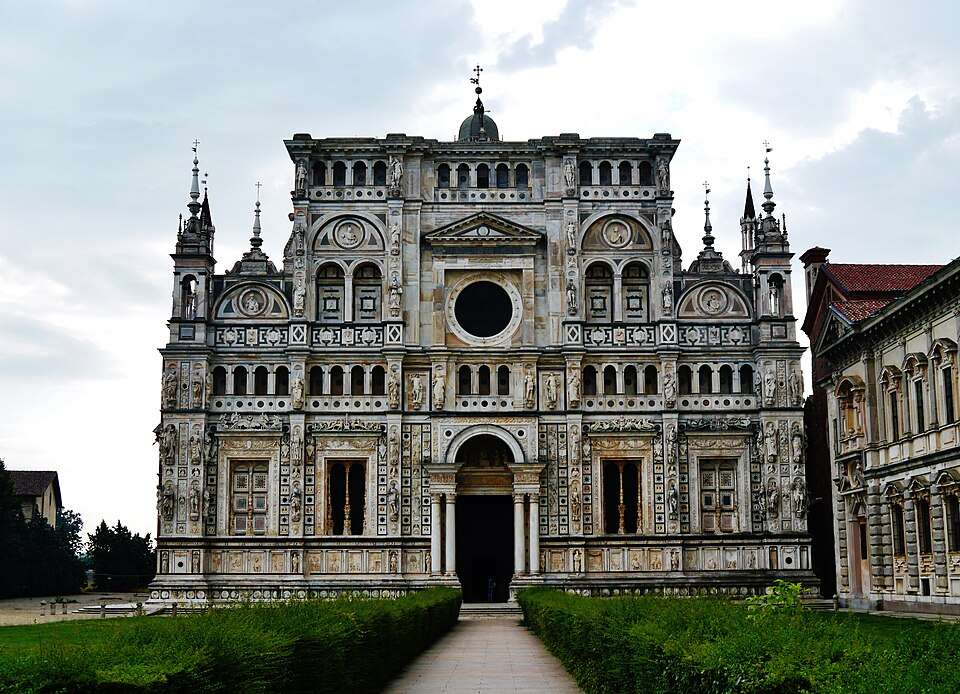
Pavia
The Monks’ Own Hours, the Station One Stop Early
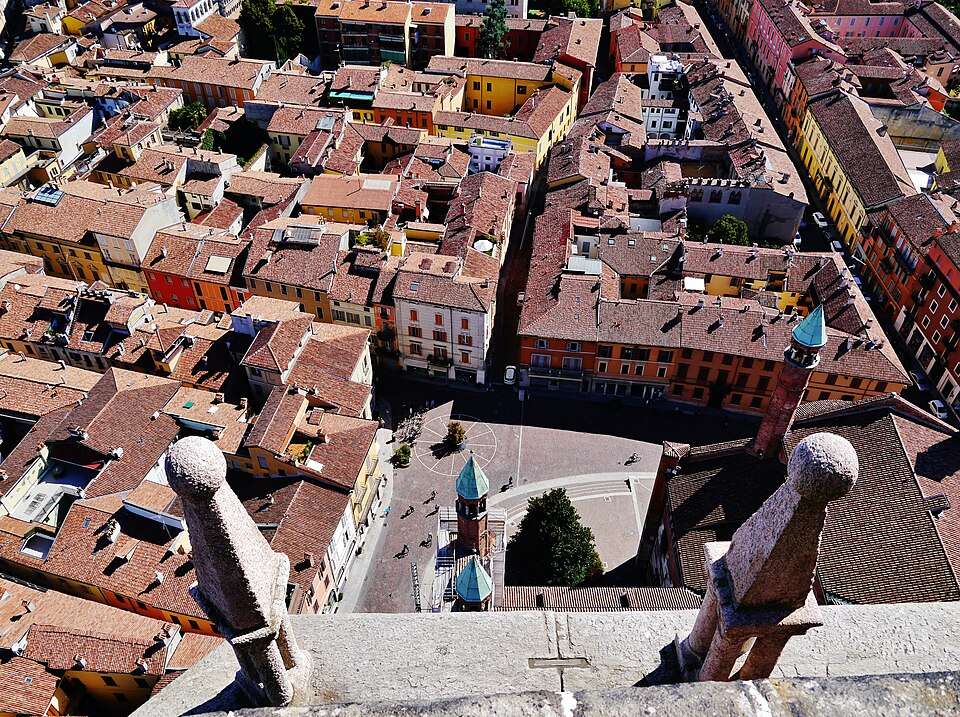
Cremona
Where the Violin Became the Violin, Auditions on the Treasures
Lake Como — The Mid-Lake Triangle
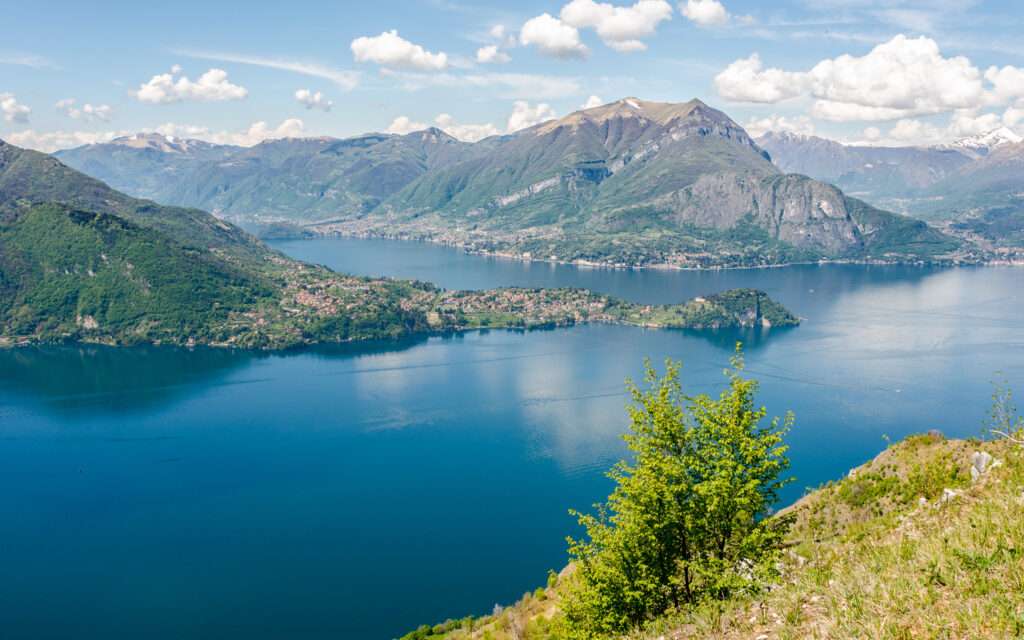
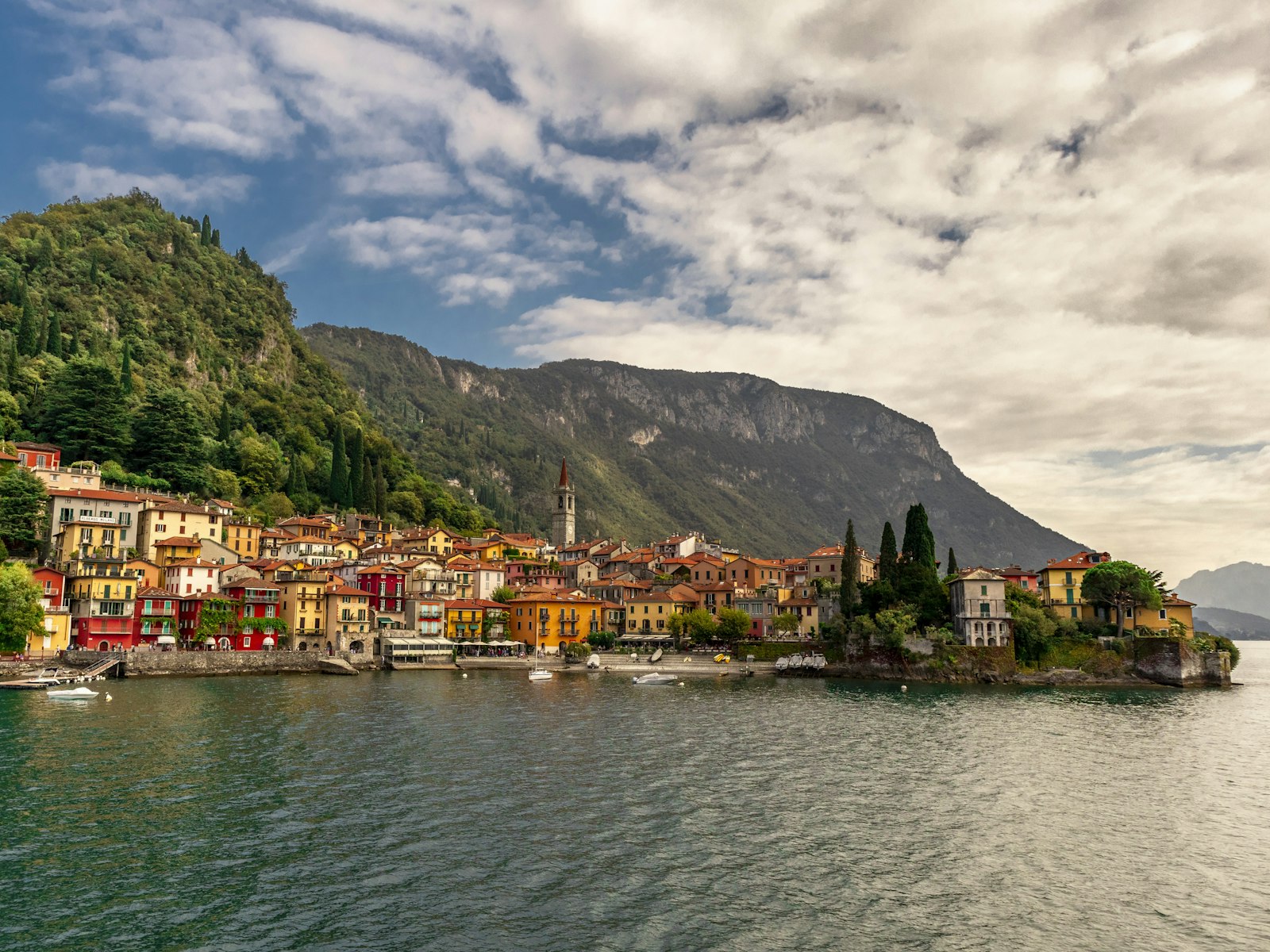
An hour north by train, the lake’s essential day is the mid-lake triangle: Varenna, Bellagio, and Menaggio, stitched by ferries that cross in fifteen to twenty minutes. The sort: take the train to Varenna (direct from Milano Centrale) rather than Como town — the mid-lake is where the postcards live, and starting there deletes two hours of boat.
Varenna is the connoisseur’s base: the passerella walkway hugging the water, Villa Monastero’s lakeside gardens, and lanes that empty when the day boats leave. Bellagio across the water plays the famous one — the “pearl of the lake” lives up to the title and draws the crowds, with the Salita Serbelloni’s stepped street and Villa Melzi’s gardens as the substance behind the boutiques. Menaggio completes the triangle for the quiet lunch.
The ferry mechanics, current: Navigazione Laghi runs the public boats — mid-lake hops cost a few euros, the day passes now price by “stretch” (the mid-lake pass covers the triangle and pays for itself by the third hop), and peak-season boats reliably fill: buy the day pass to skip ticket lines and don’t cut the last connection fine. Triangle by ferry, one villa garden, one long lunch — and the Como-town add-on (the funicular to Brunate’s balcony view) is for a second visit or a longer day.
Bergamo — The City on the Hill
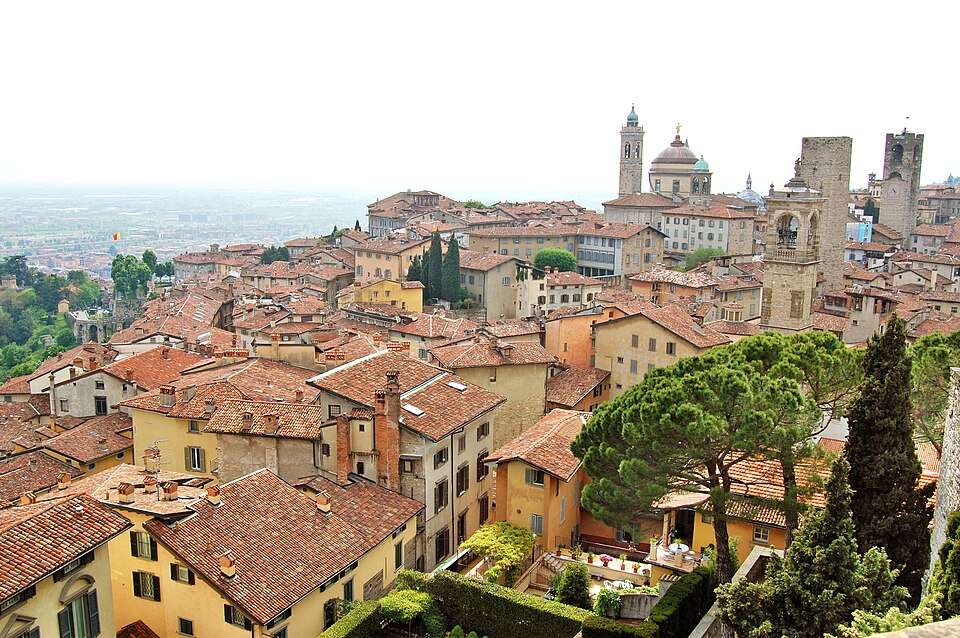
Fifty minutes east, Bergamo splits in two, and the day goes to the upper half: the Città Alta, a walled Renaissance hill town whose Venetian ramparts carry UNESCO listing and whose evening passeggiata along them is Lombardy’s best free event. The funicular from the lower city does the climbing; a second funicular continues to San Vigilio’s castle viewpoint for the full sweep to the Alps.
The core: Piazza Vecchia — the ensemble Le Corbusier reportedly called untouchable — with the Colleoni Chapel’s marble-inlay façade beside the basilica (inside, Lorenzo Lotto’s intarsia panels are worth a close look), the Campanone tower whose bell still rings 100 times at 10 p.m. for the old curfew, and lanes built for aimlessness. The rocca’s park adds the second panorama.
The eating rules: this is polenta country — polenta e osei appears both as the savory dish and as the marzipan-bird pastry sold everywhere — casoncelli pasta and a Valcalepio red handle lunch, and the stracciatella gelato was invented at a named café on the main street, which settles dessert. Half a day of substance stretched to full with the walls walk and San Vigilio — and its position by Orio al Serio airport makes it the rare great day trip that also swallows a flight-day afternoon.
Read the full Bergamo day-trip page.
Lake Maggiore — The Borromean Islands
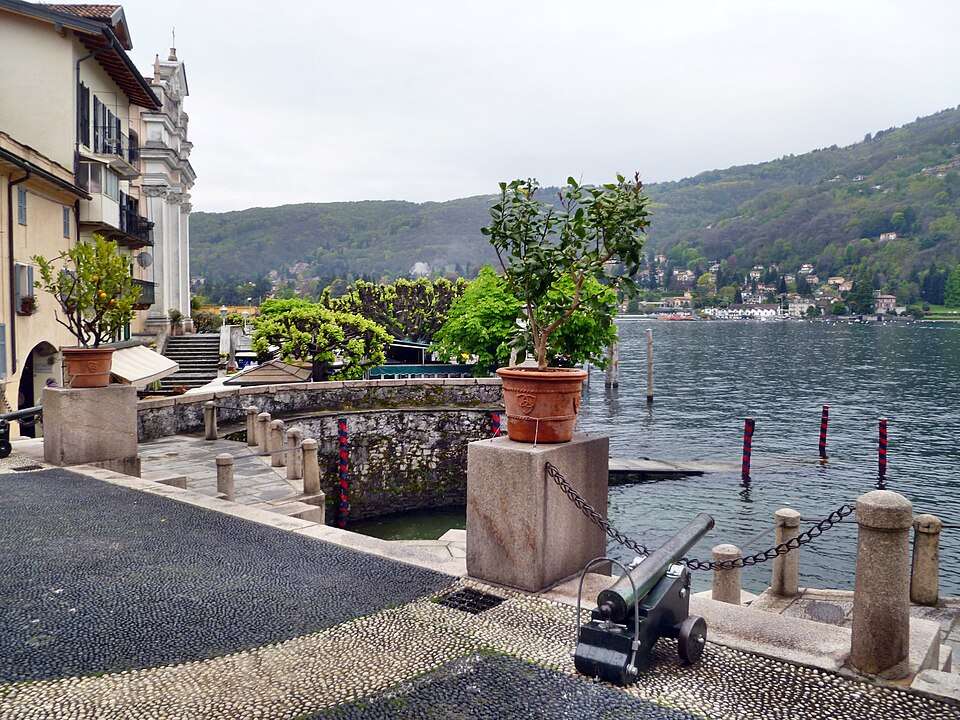
An hour west, Maggiore plays the baroque counterpoint to Como’s celebrity: from Stresa’s belle-époque waterfront, the boats shuttle to the Borromean Islands — the same family has held them for four centuries, and the show is intact.
Isola Bella is the headliner: the palazzo’s grotto rooms armored in shell-and-pebble mosaic, and the ten-tiered garden pyramid where white peacocks patrol the parterres — seventeenth-century theatre built on a fishing rock, and the single most operatic garden in Italy. Isola Madre is the botanical counterpart: the English-style park where the exotic trees outrank the villa. Isola dei Pescatori, the third stop, remains the fishing village and supplies the long lunch.
The islands run seasonally (roughly late March through October — the palazzi close for winter), combined island tickets plus the public boats or the private launches handle the logistics, and midweek beats the weekend wedding-and-coach wave. Check the Mottarone cable car’s current status locally, and Villa Taranto’s gardens at Verbania extend the day for plant lovers. The frame: two islands plus lunch is the day; three is a march.
Read the full Lake Maggiore day-trip page.
Turin — The Understudy That Isn’t
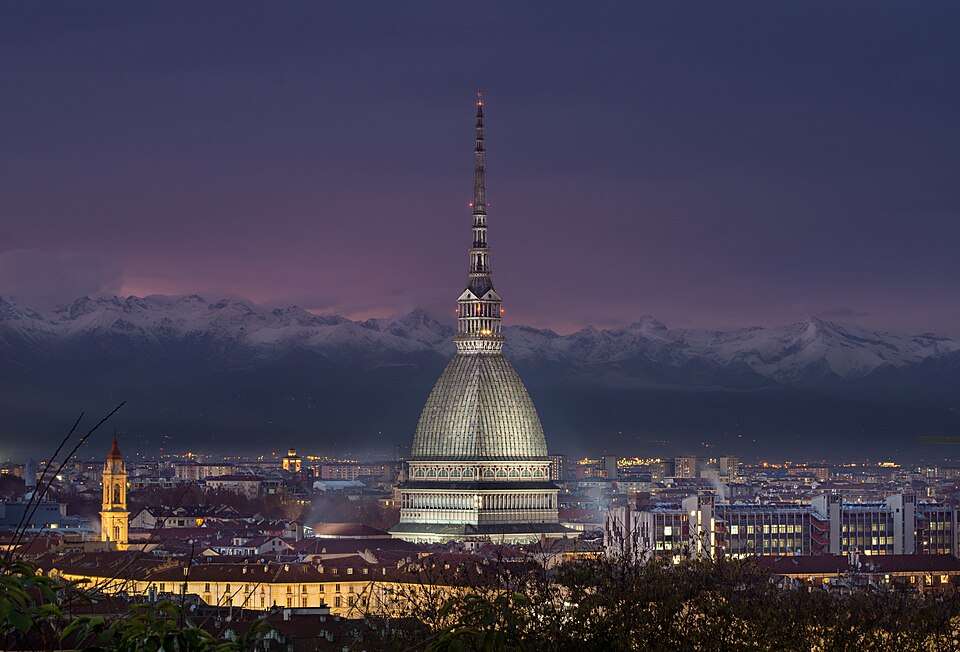
An hour west by fast train, Turin is Italy’s most underrated major city: the first capital of the unified country, gridded with arcades and bergamot-scented cafés, and holding — the headline — the Museo Egizio, the world’s most important Egyptian collection outside Cairo: the Turin Papyrus king list, intact tomb assemblages, and statue halls staged in shadow and light. Book the timed slot online and give it three hours; they will not drag.
The circuit: the Mole Antonelliana’s panoramic lift through the (excellent) National Cinema Museum’s atrium, the royal palaces of the Savoys, and Piazza San Carlo’s twin churches. The Shroud question, answered plainly: the cathedral chapel holds it, but the cloth itself is displayed only in rare announced expositions — what visitors see otherwise is the chapel and the story.
The rules of consumption: the bicerin — espresso, chocolate, and cream layered in a glass — at the historic cafés is mandatory; the aperitivo was, by most accounts, invented here and is taken seriously; and gianduja chocolate in all its forms is the souvenir with a survival rate of zero. Museum morning, arcades afternoon, chocolate throughout — the connoisseur’s pick on this list, and the day trip most likely to get upgraded to a weekend.
Read the full Turin day-trip page.
The Cinque Terre Question — Answered With Arithmetic
The five villages photograph like a day trip and behave like a destination: from Milan it’s three-plus hours each way (train via Genoa to Monterosso or Riomaggiore), which stacks six-to-seven transit hours around a compressed village sprint in the exact midday window when the coach-and-cruise crowds peak. It runs; people do it; most return saying the villages were beautiful and the day was a blur.
The verdict: give the Cinque Terre an overnight — the villages before 10 and after 5, when the day-trippers drain, are the entire point — or take the closer waters instead: Como’s triangle and Maggiore’s islands deliver the Italian-lakes answer of the same postcard at a third of the transit. Travelers who go anyway should buy the Cinque Terre train card, treat the connecting trains like a metro (they behave like one), pick two villages plus one trail section rather than all five, and check trail status before promising anyone the coastal path — closures rotate.
Portofino and Camogli, an hour closer, make the working compromise: the same Ligurian saturation, the Camogli-to-San Fruttuoso boat-and-abbey combination, and a schedule that breathes. Either way, this is the one entry here where the overnight isn’t an upgrade; it’s the product.
The Last Supper Rules, the Duomo Roof & Milan Itself
The Cenacolo mechanics, because they decide trips: Leonardo’s Last Supper survives on the refectory wall it was painted on, and conservation dictates everything — small timed groups, about fifteen minutes inside, Tuesday through Sunday, booked on the official museum site (cenacolovinciano.org), where allocations sell out weeks to months ahead the moment they release. The realistic paths: book the instant your dates firm, watch for returned slots at odd hours, or take a licensed city tour that holds its own allocation. The fifteen minutes, for the record, are enough — the room composes itself around the painting, and the crowd cap is why.
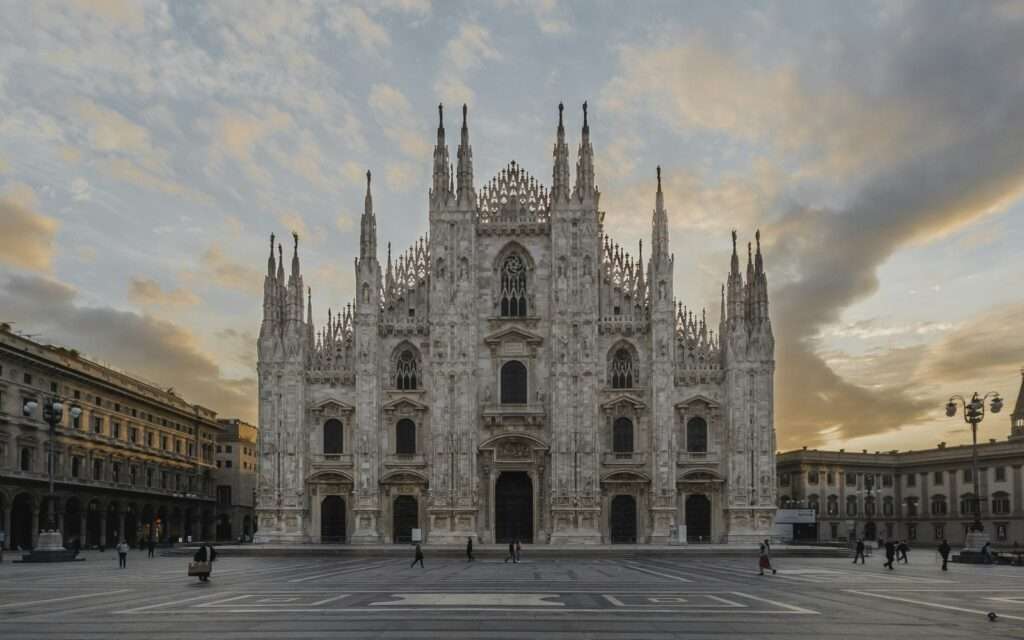
The Duomo, done right: the rooftop terraces — by lift or stairs, timed ticket — walk you through the marble forest of spires with the Madonnina above and, on clear days, the Alps behind; book the roof, take the interior with the same ticket, and go at opening or golden hour. The Galleria’s mosaic bull heel-spin, La Scala’s museum-and-box glimpse (or the opera itself, booked far ahead), and the Ambrosiana’s Leonardo codex pages fill the center.
The living city: aperitivo is the institution — Navigli’s canals for the classic scene, with the rule that the drink buys the buffet and the buffet is not dinner unless you decide it is; the fashion Quadrilatero window-shops as theatre; and Brera’s lanes hold the gallery-and-wine-bar evening. Eat the risotto alla milanese (saffron is the city’s color), the cotoletta without apology, and panettone in season from a pasticceria rather than a box. Season math: April–June and September–October are the windows; August empties the city (and closes half of it); Fashion Weeks and the Salone del Mobile reprice everything twice a year — check the calendar before booking; and the winter fog is the city’s own filter, flattering the Duomo more than the photographs admit.
Full day-trip pages: Pavia & the Certosa.
Full day-trip pages: Cremona.
Frequently Asked Questions
How far ahead should you book the Last Supper?
Weeks to months — allocations on the official cenacolovinciano.org release in blocks and vanish. Book when dates firm, watch for returned slots, or use a licensed tour with its own allocation; the visit is a timed fifteen minutes, and it’s enough.
What’s the best way to do Lake Como in a day?
Train direct to Varenna, then the mid-lake ferry triangle — Varenna, Bellagio, Menaggio — on a day pass that skips ticket lines. One villa garden, one long lunch, and don’t cut the last ferry fine; peak boats fill.
Is the Cinque Terre doable as a day trip from Milan?
Technically — three-plus hours each way around a midday-crowd sprint. Give it an overnight or take Como and Maggiore instead; if you go, buy the train card, pick two villages and one trail, and check path closures first.
Why go to Turin?
The Museo Egizio — the greatest Egyptian collection outside Cairo — plus the Mole’s cinema museum, arcaded cafés, bicerin, and gianduja. An hour by fast train, and the day trip most often upgraded to a weekend.
When are the Borromean Islands open?
Roughly late March through October — the palazzi close in winter. Boats run from Stresa; Isola Bella’s tiered gardens and grotto rooms headline, Isola Madre takes the botanists, and the fishermen’s island takes lunch.